FLAME Program — Life Skills & Transition
 The FLAME program within Ignite Learning Academy supports students who desire a life-skills high school and transition program and are not traditionally college bound. This innovative program is rooted in the philosophy of equipping students with practical skills necessary for independent living and successful entry into the workforce. The curriculum focuses on real-world applications, ensuring students graduate from the program with the confidence and competence to navigate life after high school. The FLAME Program is open to all 12th grade students as well as students through age 22.
12th graders are invited to participate in the traditional graduation ceremony at the conclusion of the school year in order to celebrate the conclusion of their successful high school career. They can participate at our in-person event or join virtually, where they will wear a cap and gown, walk across the stage (or be spotlighted virtually), and be celebrated along with their graduating peers. This is all true even if the family elects for the student not to officially graduate 'on paper' until they age out of the program and state scholarship programs that assist with funding.
Learning Beyond the Classroom
Community-Based Job Experience
All academic learning is centered around real-world application and is integrated into a structured, online work experience program and life-experience curriculum. Students participate in the development and operation of a class-based business project in which they collaborate with peers to complete authentic job-related tasks within a virtual environment.
Through this online business experience, students have the opportunity to explore and “try on” a variety of jobs and career roles. Responsibilities may include tasks such as inventory tracking, product organization, quality control, customer communication, order preparation, scheduling, data entry, and other position-specific duties aligned with the operation of the class business. The goal is to equip students with transferable workplace skills while helping them identify areas of interest and aptitude for future employment.
For families who wish to pursue in-person work experiences within their local community, Ignite Learning Academy will provide resources, guidance, and communication scripts to support parents/guardians in securing and supporting appropriate placement opportunities for their child outside of the school setting.

Hands-On Classroom Learning
In the classroom, students will engage in a dynamic learning environment where academic work is purposefully linked to real-world applications, providing them with the essential skills for post-high school success. The curriculum focuses on hands-on experiences and practical exercises that directly correlate with everyday life.
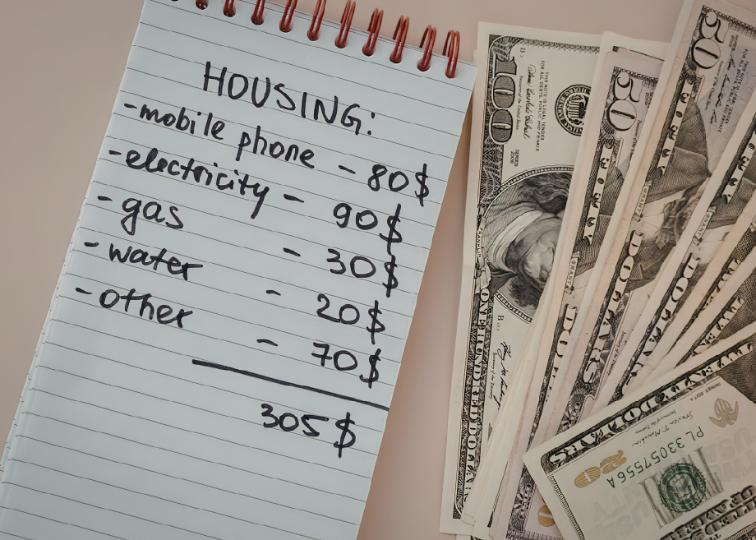
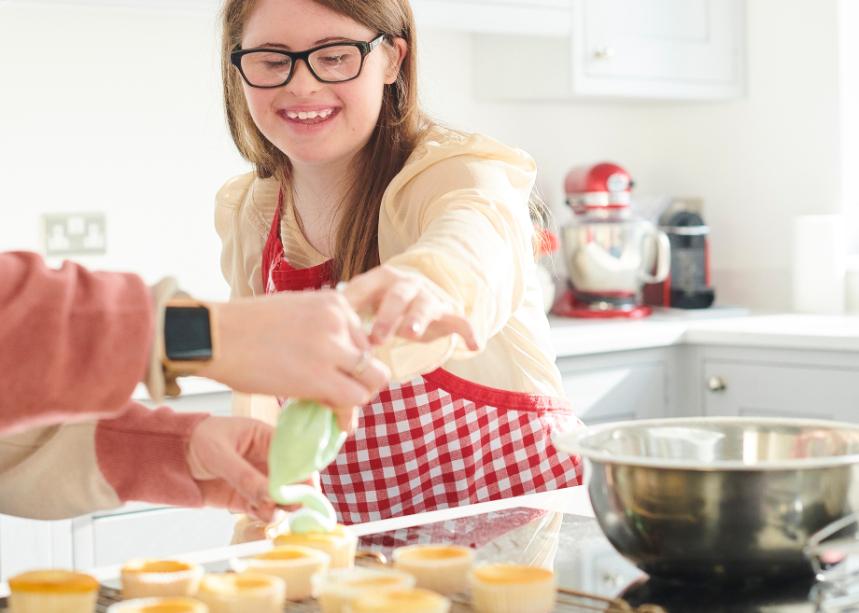
To help develop financial literacy, students will tackle tasks including making change and hone basic mathematical skills applicable to budgeting and personal finance. Additionally, classroom activities will include cooking lessons to instill self-sufficiency in meal preparation, while reading and writing exercises are geared toward creating effectively written communication for job-related scenarios, crafting resumes, and other life-skills related documents.
This immersive approach ensures that every academic endeavor has a direct and meaningful connection to the practical skills needed for independent living and entry-level employment, laying a solid foundation for the future success of each student.
What Students Learn in the FLAME Program
This immersive approach ensures that every academic endeavor has a direct and meaningful connection to the practical skills needed for independent living and entry-level employment.
Self-Determination
Students explore personal interests, strengths, and values while learning to advocate for their needs and make informed choices.
Education & Training
Practical strategies for lifelong learning including organization, time management, and using technology responsibly.
Employment Skills
From building resumes and completing applications to practicing interview techniques and workplace behaviors.
Independent Living
Essential routines for daily independence including personal grooming, household management, budgeting, and meal prep.
Social Skills
Building healthy relationships, handling conflict, navigating social situations online and offline, and community participation.
Health & Wellness
Understanding personal hygiene, nutrition, emotional regulation, stress management, and building a personalized wellness plan.
Scope & Sequence
Explore the full curriculum across all six units. Each unit builds essential skills for independent living and workforce readiness.
Students build a strong foundation of self-awareness and confidence by exploring their personal interests, strengths, and values. They learn to advocate for their specific needs, understanding their rights and how to participate actively in their own planning. Throughout the unit, they practice making informed choices and setting concrete, personal goals. Ultimately, students develop the self-determination skills necessary to lead independent, self-directed lives.
| # | Sub-Topic | Description |
|---|---|---|
| 1 | Getting to Know Me | Exploring personal interests, preferences, and values |
| 2 | My Strengths & Challenges | Identifying what students do well and where they need help to make informed choices |
| 3 | Setting Goals that Fit Me | Writing simple goals and tracking progress in clear, concrete ways |
| 4 | Making My Own Choices | Practicing decision-making and problem solving in everyday situations |
| 5 | Speaking Up for Myself | Role-playing how to request accommodations and say "no" when needed |
| 6 | Understanding My Rights | Learning basic rights related to work, housing, and disability |
| 7 | Planning for My Future | Identifying adult goals related to work, living, and relationships |
| 8 | Self-Reflection & Growth | Tracking progress and recognizing personal achievements |
| 9 | Celebrating My Independence | Reflecting on growth and setting next-step goals for greater independence |
Students develop practical strategies for lifelong learning, focusing on organization, time management, and using technology responsibly. They explore diverse training options including apprenticeships and community programs while building everyday academic skills like reading schedules and problem-solving. As they progress, they learn to utilize supports and accommodations effectively. By the end of the unit, students are equipped to navigate educational and training environments with greater autonomy.
| # | Sub-Topic | Description |
|---|---|---|
| 1 | Why School Matters | Building learning habits that help students grow and stay organized |
| 2 | Getting Organized | Keeping track of materials, assignments, and using checklists or planners |
| 3 | Following Directions | Practicing how to read, listen to, and follow directions accurately |
| 4 | Learning Supports | Understanding how and when to ask for help and use accommodations |
| 5 | Exploring Job Training Programs | Learning about career centers, technical training, and apprenticeships |
| 6 | Using Technology to Learn | Using tools like typing, email, and Google Docs safely and responsibly |
| 7 | Everyday Academic Skills | Using reading and math in real life — recipes, schedules, and forms |
| 8 | Problem Solving When I'm Stuck | Using the "Stop, Think, Try, Ask" method to overcome challenges |
| 9 | Learning in the Community | Using libraries, community centers, or adult education programs |
| 10 | Time Management for Life | Balancing work, chores, and recreation using planners or apps |
Students explore the world of work by identifying careers that match their unique strengths and interests. They gain practical experience in the job search process, from building simple resumes and completing applications to practicing interview techniques. The unit emphasizes essential workplace behaviors such as reliability, communication, and safety. Ultimately, students understand what it takes to find meaningful employment and succeed in a professional environment.
| # | Sub-Topic | Description |
|---|---|---|
| 1 | My Interests & My Future Job | Identifying careers that match strengths and interests |
| 2 | Understanding What a Job Is | Learning the purpose of work and basic job responsibilities |
| 3 | Job Search | Using flyers, job boards, and local resources to look for jobs |
| 4 | Building a Resume | Creating a simple one-page resume with support |
| 5 | Applying for Jobs | Practicing how to fill out job applications |
| 6 | Job Interviews | Role-playing mock interviews and dressing appropriately |
| 7 | Workplace Etiquette | Being polite, showing up on time, and following rules |
| 8 | Workplace Communication | Talking to a manager, asking questions, and working as part of a team |
| 9 | Work Ethic | Practicing reliability, honesty, and perseverance at work |
| 10 | Workplace Safety | Recognizing hazards and knowing who to ask for help |
Students master the essential routines required for daily independence, including personal grooming, clothing care, and household management. They gain confidence in navigating their community through transportation training and practical budgeting exercises. The curriculum also covers critical skills such as meal preparation, safety, and emergency preparedness. By applying these skills, students learn to manage their days and living spaces with increasing independence.
| # | Sub-Topic | Description |
|---|---|---|
| 1 | Getting Dressed for the Day | Choosing clean, weather-appropriate clothes and following a dressing routine |
| 2 | Doing Laundry | Sorting, washing, drying, folding, and putting away clothes using visual steps |
| 3 | Household Management 101 | Organizing and cleaning rooms, kitchens, and shared spaces using routines and safety steps |
| 4 | Shopping with a Budget | Comparing prices, paying with cash or card, and distinguishing needs vs. wants |
| 5 | Cooking & Meal Prep | Reading simple recipes, measuring ingredients, and making balanced meals safely |
| 6 | Transportation Training | Reading schedules, using maps or ride-share apps, and following safety rules |
| 7 | Apartment Basics | Understanding rent, utilities, and simple home maintenance |
| 8 | Going to a Restaurant | Practicing ordering, paying, and appropriate behavior in public eating spaces |
| 9 | Emergency Preparedness | Knowing safety procedures, fire drills, and how to contact emergency services |
| 10 | Planning My Day | Building a simple daily plan that includes work, chores, and leisure |
Students strengthen their ability to connect with others by learning to make good first impressions and respect personal boundaries. They practice initiating conversations, handling conflict, and navigating complex social situations online and offline. The unit focuses on building healthy relationships, understanding empathy, and participating in the community. Over time, students develop the social confidence needed for successful interactions in the workplace and personal life.
| # | Sub-Topic | Description |
|---|---|---|
| 1 | Making a Good First Impression | Understanding how hygiene, dress, and manners communicate respect and confidence |
| 2 | Personal Space & Boundaries | Recognizing appropriate distance, touch, and privacy in different settings |
| 3 | Starting Conversations | Practicing greetings, introductions, and small talk in different environments |
| 4 | Handling Conflict | Learning to manage disagreements respectfully at home, work, or in the community |
| 5 | Going Out with Friends | Planning social outings safely, budgeting, and using appropriate behavior in public |
| 6 | Being a Good Friend | Understanding trust, communication, and empathy in relationships |
| 7 | Online Etiquette & Safety | Communicating appropriately and protecting privacy online |
| 8 | Community Participation | Joining clubs, volunteering, and taking part in local events |
| 9 | Giving & Receiving Feedback | Practicing polite ways to offer or accept feedback at work and home |
| 10 | Leadership & Teamwork | Taking initiative, collaborating, and helping others in group settings |
Students establish a foundation for a healthy lifestyle by understanding the importance of personal hygiene, nutrition, and regular movement. They learn to recognize and regulate their emotions, manage stress, and build safe, healthy relationships. Practical skills such as making doctor appointments and understanding medication are also emphasized. Ultimately, students create a personalized wellness plan to support their physical and mental well-being as adults.
| # | Sub-Topic | Description |
|---|---|---|
| 1 | Personal Hygiene & Self-Care | Understanding why cleanliness and daily routines support health and comfort |
| 2 | Healthy Eating Habits | Learning how food choices affect energy, focus, and overall health |
| 3 | Exercise & Movement | Exploring simple ways to stay active and build strength |
| 4 | Sleep & Routines | Creating daily schedules that support rest, energy, and consistency |
| 5 | Managing Stress | Practicing coping skills, relaxation strategies, and identifying triggers |
| 6 | Doctor Visits & Medications | Making appointments, understanding prescriptions, and asking health questions |
| 7 | Safety & First Aid | Learning what to do in emergencies and when to call for help |
| 8 | Mental Health Awareness | Recognizing emotions, practicing mindfulness, and knowing how to get support |
| 9 | Healthy Relationships | Understanding respect, boundaries, and consent in friendships and dating |
| 10 | Building a Wellness Plan | Creating a weekly routine for hygiene, nutrition, movement, and mental health |
FLAME in Action
 Cooking & Meal Prep
 Community Experience
 Resume & Job Skills
Ready to Learn More About FLAME?
The FLAME Program is open to all 12th grade students, as well as students through age 22. Contact our team to find out if FLAME is the right fit for your child.